
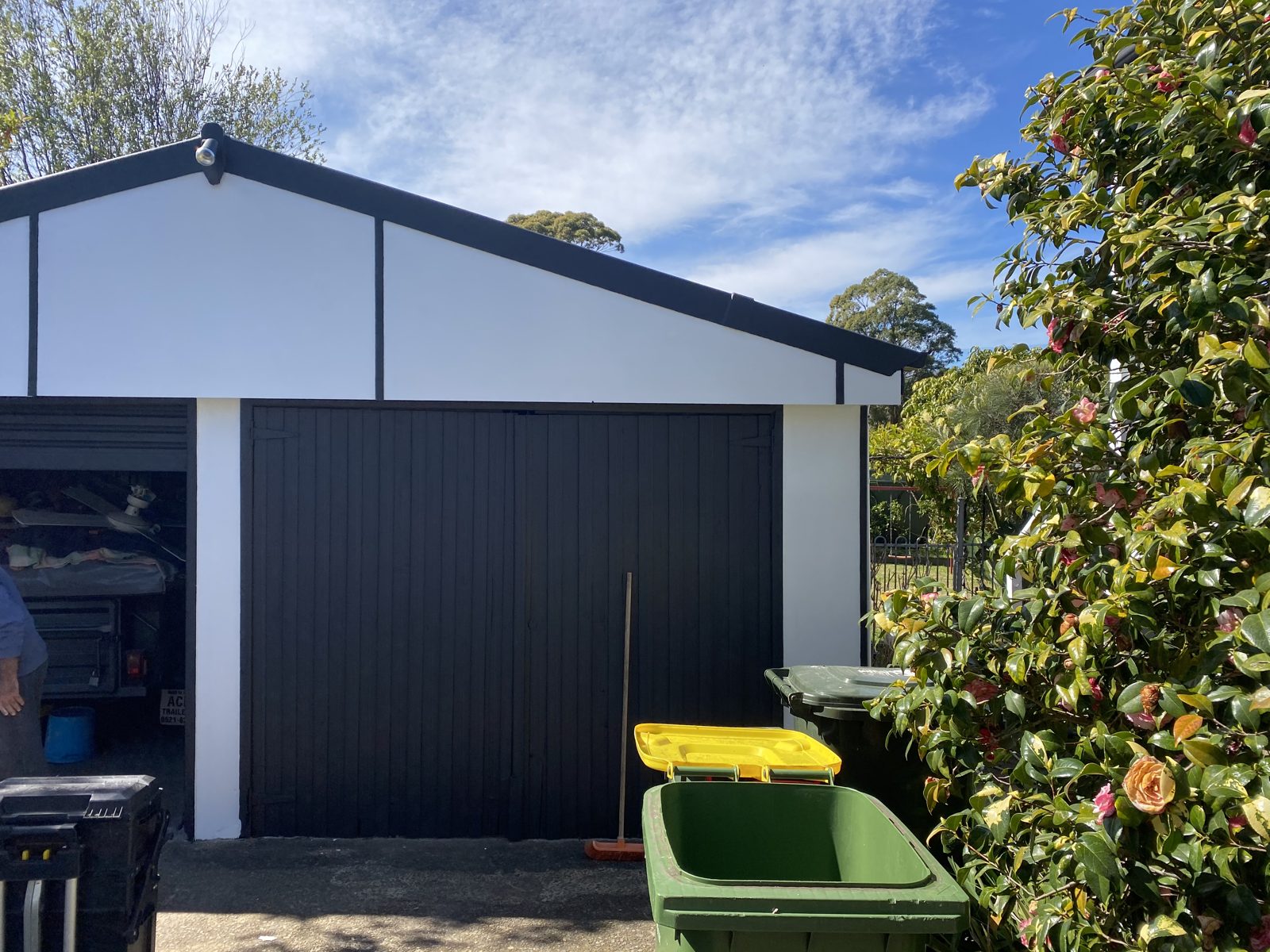
Seven in the morning, day one. The ute pulls up, and there's a bougainvillea growing through the verandah lace, a full bookcase against the lounge room wall and no parking for three blocks. Half the morning goes before anyone opens a tin. Preparing your house before the painters arrive fixes all of that, and it takes you a weekend.
The short version: clear the rooms or the perimeter, cut back anything touching the walls, sort out parking and access, take down what you don't want painted around, and lock in your colours. Your painter handles the surface prep, masking and protection. This is the clearing and access only you can do.
Inside: the week before
- Move small furniture, lamps, rugs and anything breakable out of the rooms being painted
- Take down pictures, mirrors, shelves and wall hangings, and pull the hooks if the walls are being patched
- Empty bookshelves and cabinets, or at least pull them well clear of the walls
- Clear window sills, mantelpieces and the tops of built-ins
- Take down curtains and blinds where trim or window reveals are getting painted
- Leave switch plates and power points on. We'll mask or remove them
- Wipe down grubby walls, especially in the kitchen and hallway
- Tell us which rooms you need to keep usable, so the work gets staged around you
Anything too heavy to move can stay, shifted to the middle of the room and covered. Just tell us beforehand so we plan for it.
Outside: the week before
- Cut back shrubs, climbers and branches touching or hanging over the walls. A metre of clearance is ideal
- Move pot plants, outdoor furniture, the barbecue, bins and anything else along the walls
- Take down hoses, hanging baskets, wind chimes and anything screwed to the wall that you can remove
- Clear a path around the whole house so ladders and scaffold can be set safely
- Empty or secure anything on the verandah or balcony
- Get the gutters cleaned if they're due. Easier before the scaffold goes up
- Check side gates open and the crew can get through
Plants against a wall are the most common hold-up. They block access, they keep the wall damp so it can't be painted, and they get wrecked being pushed aside every day. Cut them back a week or two ahead and the wall behind gets a chance to dry out too.
Access, parking and the neighbours
In the inner suburbs this is the real logistics problem. Terraces in Surry Hills, Newtown and Paddington have no off-street parking, and the street's full by 8 am.
- Work out where the crew can park and where materials can be unloaded
- Check whether you need a council permit for scaffold or a skip on the footpath. Your council's website lists it
- Tell the neighbours the dates, especially if scaffold goes near a boundary or work happens over their side
- Sort access to the back yard if the only way through is a shared lane or the neighbour's property
- If you're in strata, check the rules on work hours
A quick word with the neighbours a week out is easy. The same conversation on the morning the scaffold arrives isn't.
Pets, kids and working from home
Tell us about all three before the job starts. It changes how the work gets planned.
- Gates get left open and doors get propped. Decide where the dog will be each day
- Wet paint, tools and extension leads aren't something you want a toddler wandering into
- If you work from home, tell us which room needs to stay quiet and when your calls are
- Sanding dust travels. Keep it away from rooms with anything sensitive in them
- If anyone in the house reacts to paint smell, say so early so products and ventilation get planned
Decisions to lock in before day one
Changing a colour on day three is expensive. Settle these first.
- Final colours for walls, ceilings, trim and feature areas, with the colour codes
- Sheen level for each surface
- Which rooms or walls are in scope and which aren't
- Anything staying as it is, like a feature wall or unpainted brick
- Your answer on anything the quote listed as optional
Still unsure? Ask for test patches early, and look at them at 8 am and 4 pm before you commit. Our post on choosing heritage paint colours helps if it's a period house.
Tell us the problems you already know about
You know things about your house nobody sees on a walk around. The leak under the bathroom window that only shows in heavy rain. The patch of wall that keeps peeling however many times it's painted. The window that hasn't opened since 2009. The soft spot in the back sill.
Tell us all of it before we start. A problem planned for is simple. A problem found on day four holds up the whole programme, and it points to something that needs remedial repairs before another coat of paint.
What's not your job
Don't sand or strip old paint, fill cracks, mask, lay drop sheets, prime bare spots or repair render and timber. That's all part of the work. Doing it yourself makes it harder, because we then have to check it and redo most of it. On a pre-1970 house, sanding old paint can also mean spreading lead dust. The prep decides how long the finish lasts, which is why it belongs with whoever's responsible for the result. Our strip-back and preparation page shows what that involves.
One exception: a general clean. Washing grubby interior walls before we arrive genuinely helps.
On the first morning
Be there if you can, at least for the first half hour. Walk the job with us, confirm the scope, point out anything you're worried about, agree where gear gets stored and where the tap and toilet are, and swap numbers. Ten minutes on day one heads off most of the misunderstandings that come up later.
We'll tell you exactly what needs clearing when we quote your home, so the first morning holds no surprises. Whether it's interior painting or a full exterior, book a free on-site quote and we'll go through it with you.