
A Sydney storm drops 50mm of rain in an hour, and water finds the one open joint on your parapet. Waterproofing and sealing is how we stop that, on Sydney homes we've just restored and on ones we haven't. Parapets, sills, render, brick, concrete floors and the joints between them.
Get a Free On-Site QuoteOn a new house, waterproofing is simple. Seal it, coat it, done. On an old house, the wrong sealer causes the problem it was meant to stop. A plastic coating over damp brick locks the water in, the salt can't get out, and the face of the brick pops off behind a perfect-looking film. We see it every year on houses near the harbour.
So we work out where the water is coming from first. Down from a cracked parapet capping. Sideways through an open window joint. Up from the ground through a bridged damp-proof course. Each one gets a different fix, and some of them are drainage, not sealer at all.
Then we match the product to the surface. Breathable siloxane water repellents on brick and render, so rain beads off but vapour still gets out. Flexible sealants on joints that move. Proper sealers on concrete floors and paths. All of it applied by the same team that did the repairs underneath.
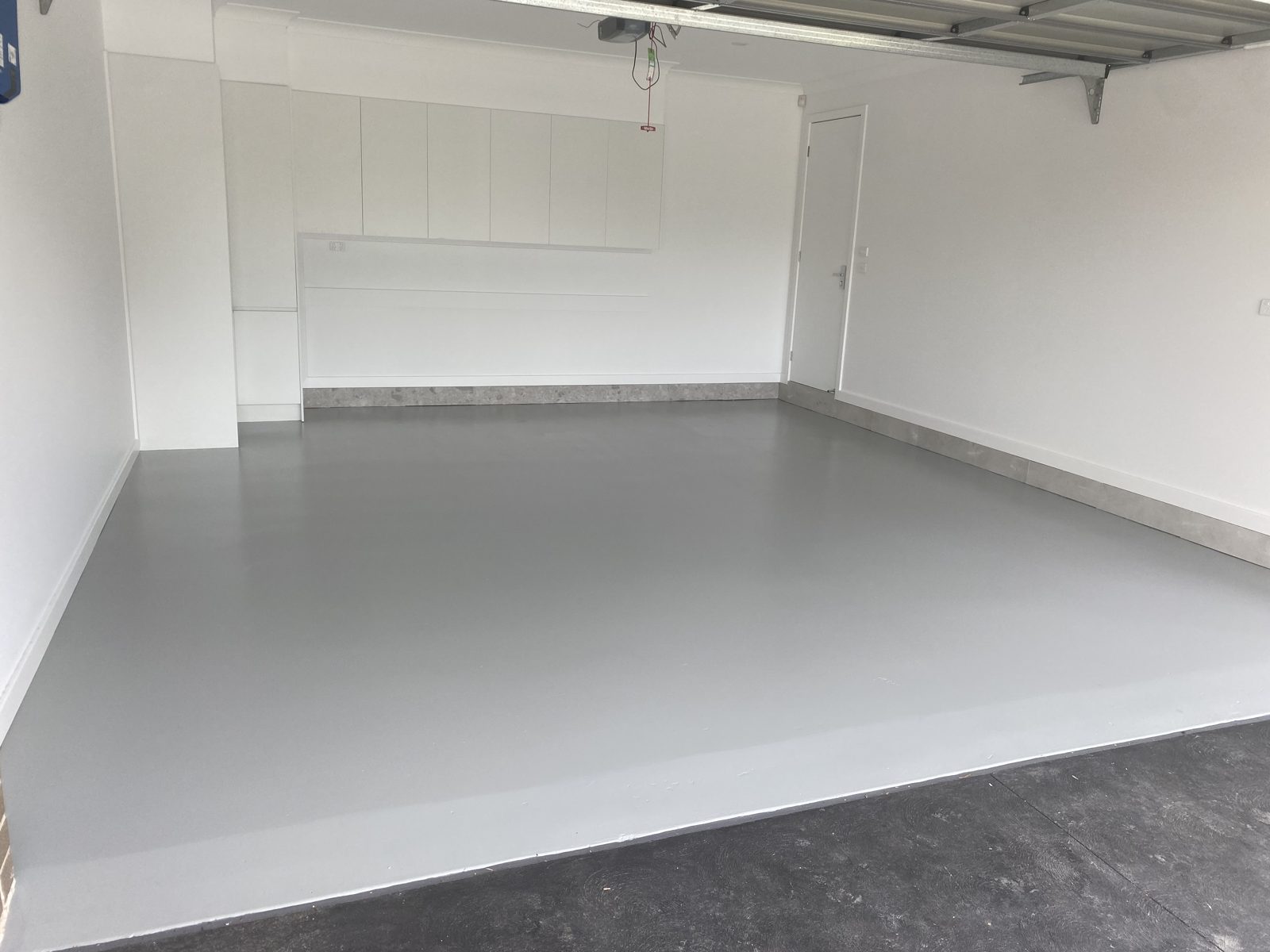
Once repairs and painting are done, the sealing keeps them that way. A restored parapet without its top sealed is back to cracked render in two winters. Same goes for sills with no drip edge.
Sun, rain and salt air hit Sydney facades hard. A house within a kilometre or two of the water, in Mosman, Neutral Bay or Balmain, gets salt on every wall every windy day. A breathable water repellent cuts how much of that soaks in.
Places we seal on most jobs:
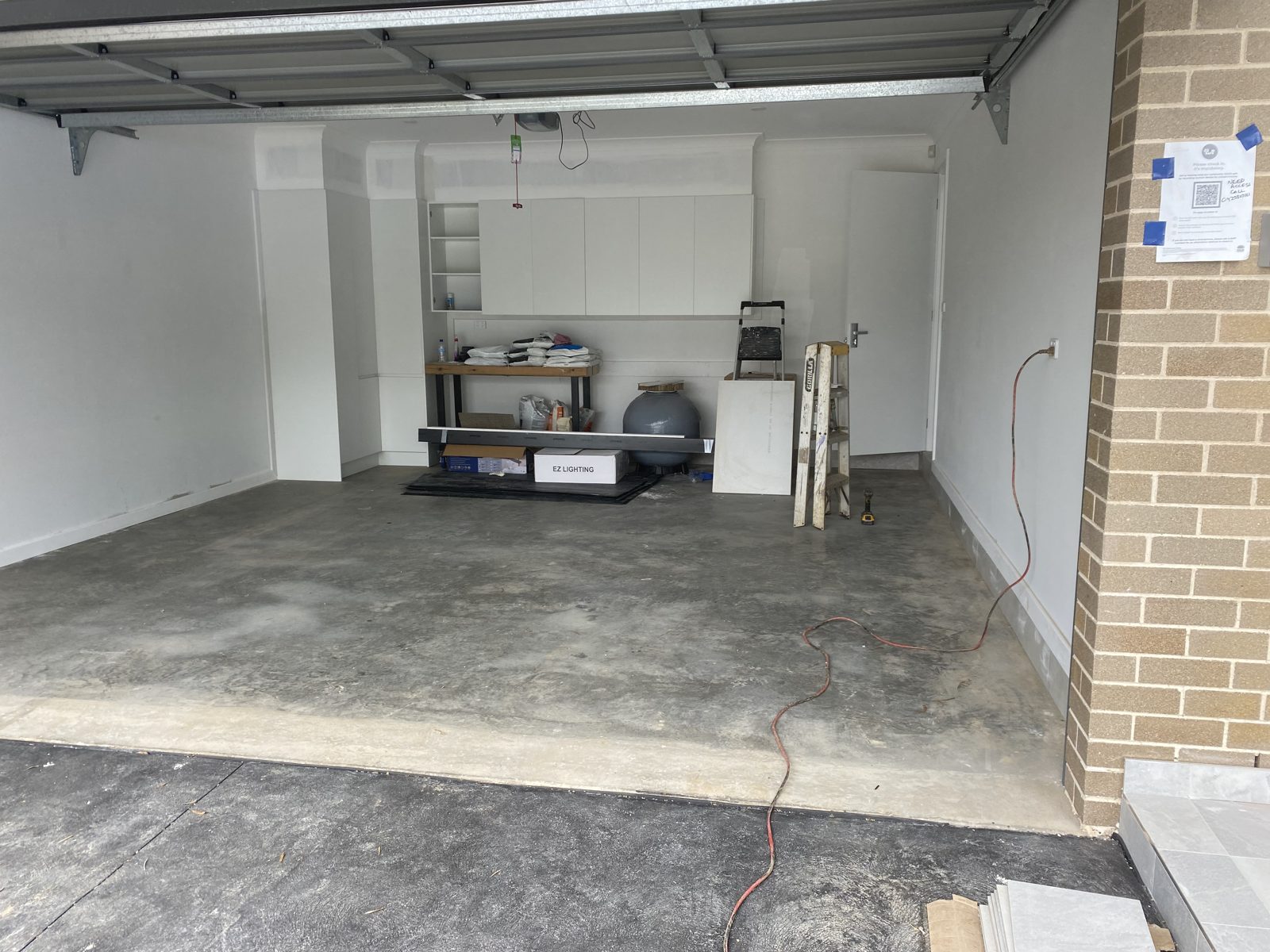
Old homes carry a history of damp and salt in the walls. Seal over that and you've trapped it. So damp gets treated at the source before any sealer goes on: soil lowered below the damp-proof course, subfloor vents cleared, downpipes taken away from the wall, salty render removed and replaced in lime. Our article on rising damp covers the causes.
No single sealer suits every surface. Face brick wants a penetrating siloxane that leaves it looking untouched. Painted render wants a breathable paint system. Concrete floors want a penetrating sealer or a coating, depending on whether a car parks on them. A north-facing parapet in full sun needs a different product from a shaded southern sill that never dries.
Shower and bathroom membranes under tiles are licensed waterproofing work in NSW. If your problem is a leaking shower, we'll tell you so and point you to the right trade before we touch the paint.
Moisture meter readings, a look at gutters, downpipes, cappings and sills, and where the stains sit on the inside.
Drainage and ventilation sorted, cracked render and cappings repaired, failed joints raked out.
Walls need time to dry out before sealing, from a few days to several weeks after damp work.
Breathable repellent on masonry, flexible sealant on joints, penetrating sealer or coating on concrete.
Applied in dry weather, two coats where the product calls for it, with drip edges formed on sills and hoods.
| Area | Risk | Protection |
|---|---|---|
| Exterior render | Wind-driven rain and salt air | Breathable paint system or siloxane repellent |
| Face brick | Water soaking in, salt bloom, spalling brick faces | Penetrating siloxane that leaves the brick looking untouched |
| Parapets and cappings | Water entering from the top surface | Re-bed capping, seal the top, keep it shedding water |
| Window sills and hoods | Standing water, cracked render | Repair, form a drip edge, flexible sealant at the frame joint |
| Concrete floors and paths | Dusting, oil stains, moisture coming up | Penetrating sealer or epoxy coating to suit use |
| Wet areas | Trapped moisture behind paint | Moisture-resistant sealers and finishes; shower membranes by a licensed waterproofer |
Not if it's done right. We treat the damp first, let the wall dry, and use breathable repellents on brick and render, so liquid water stays out while vapour still escapes. The wrong product, a non-breathable coating on old masonry, does trap damp, which is why we don't use it there.
No. Garage and laundry floors, wet areas and any wall with damp behind it can need sealing too. Shower membranes under tiles are licensed specialist work in NSW, and we'll point you to the right trade for those.
A good penetrating siloxane on face brick lasts 7 to 10 years before it needs re-applying. On walls facing the harbour or the ocean, plan on the shorter end.
Most parapet leaks come from the top: cracked render or loose capping on the upper surface, or a failed flashing where the roof meets the parapet. Water runs down inside the wall and shows up on the ceiling or cornice below. We repair and seal the top, and if the flashing has failed, we'll tell you and get it sorted with a roofer.
Both, with different products. Bare face brick and unpainted render get a clear penetrating repellent. A painted wall gets its protection from the paint system itself, so on painted render the fix is a sound, breathable paint over a repaired surface, with a flexible sealant at every joint.
Dry weather, with no rain forecast for at least 24 hours and the wall dry right through. In Sydney that means avoiding the wet weeks of late summer and waiting a few days after heavy rain.
We take on waterproofing and sealing for homes right across Sydney, from the terraces of Paddington to the period homes of Hunters Hill. A few of the areas we cover:
Book a free on-site visit. One room or the whole house, we look at it in person and send you a written, itemised quote. Nothing to sign.
Book Your Free Quote